Why Do Dogs Eat Grass?
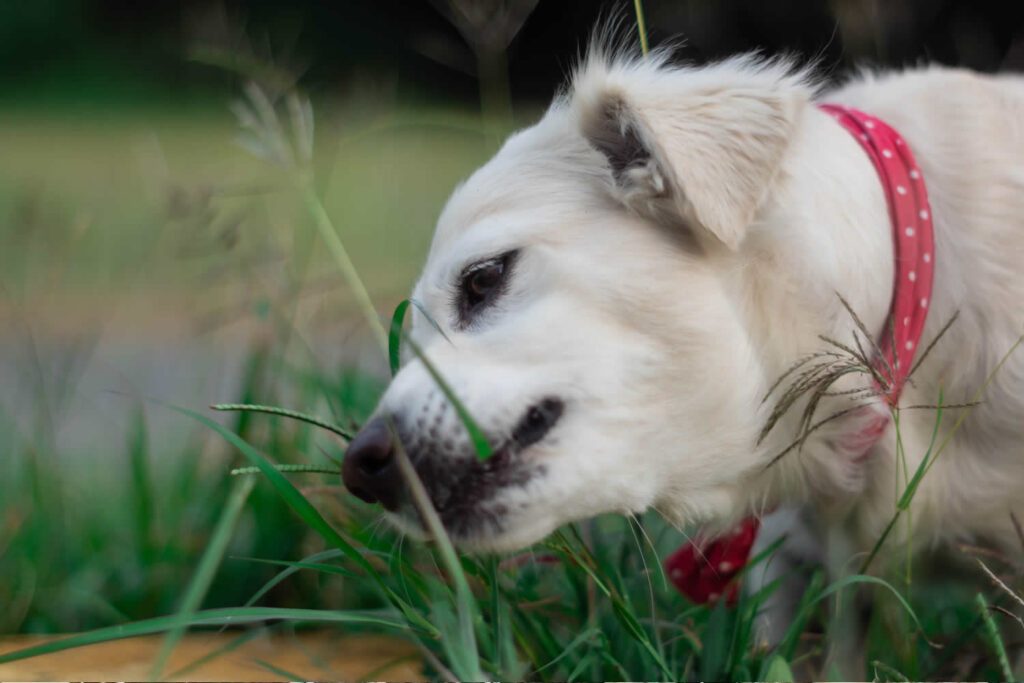
It’s a question nearly every dog owner asks at some point: Why does my dog eat grass?
You’re not alone—this is one of the most Googled dog questions in the world. And while it might seem strange, it’s actually a very natural behavior.
Let’s explore the most common reasons dogs munch on greenery and what you should (or shouldn’t) do about it.
1. Digestive Relief
One popular theory is that dogs eat grass to induce vomiting when they’re feeling unwell. Some pet owners report their dog eats grass, throws up, and then appears fine.
However, studies show that fewer than 25% of dogs vomit after eating grass, and fewer than 10% show signs of illness beforehand.
“Characterization of plant eating in dogs”
— Applied Animal Behaviour Science, 2008
2. Natural Instinct
Dogs are considered facultative carnivores, which means they’re primarily meat-eaters, but they can also digest plant-based foods. Their wild ancestors regularly consumed vegetation from prey animals.
Some experts believe grass eating is simply an instinctual behavior that mimics ancestral diets.
3. Nutritional Deficiency
Jason Ast, Just Dog People:
“Personally, I believe that many dogs eat grass because they have digestive issues and/or are missing essential vitamins and minerals.”
Dogs often search for alternative sources to satisfy deficiencies. If your dog frequently eats grass, it may be a sign they’re missing key nutrients—especially if they’re on a highly processed diet.
Tip: Review your dog’s diet with a pet nutritionist or vet. Explore food options with richer nutrient profiles.
4. Boredom or Anxiety
Sometimes grass-eating has nothing to do with nutrition—it’s a boredom habit. Dogs left alone outside may chew grass out of anxiety or lack of stimulation.
Try adding more enrichment toys, walks, or training exercises if you think this may be the cause.
Is It Safe for Dogs to Eat Grass?
In most cases—yes, it’s safe. But only if the grass hasn’t been treated with chemicals like herbicides, pesticides, or fertilizers.
Also, avoid sharp varieties of grass or areas with mushrooms or toxic plants.

When to Contact Your Vet
- Your dog vomits frequently after eating grass
- They act lethargic or appear uncomfortable
- They’re eating grass obsessively or compulsively
- You suspect they’ve ingested something toxic
Final Thoughts from Jason
Grass eating might look strange, but it’s usually harmless. Like many dog behaviors, it’s a mix of curiosity, instinct, and sometimes nutritional need.
If your dog does this frequently, don’t ignore it—check in with your vet or stop by our store to speak with a dog food specialist.